The Story of BBSG's First Chinese Drama
09 Jan 2026
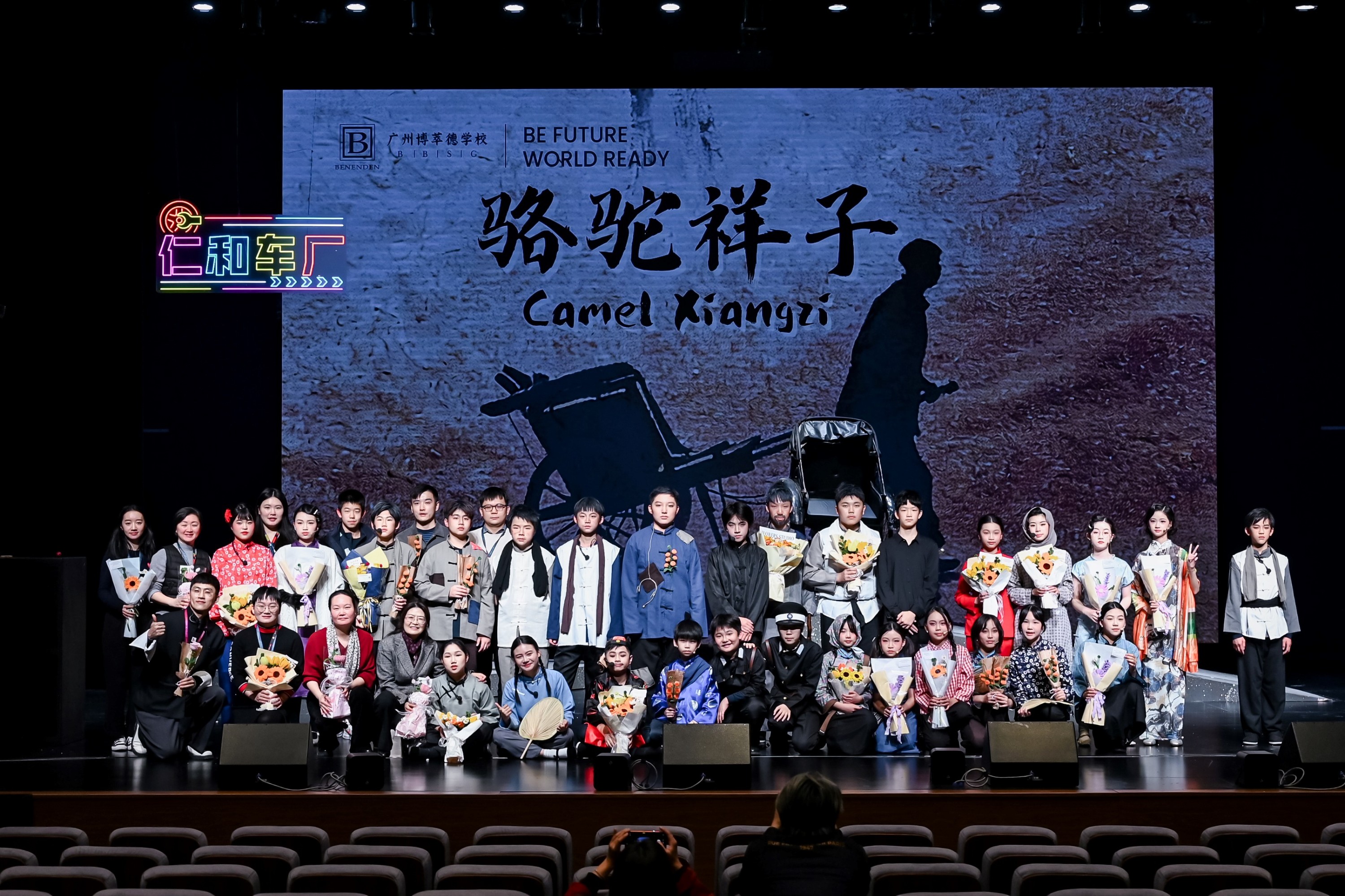
As the lights dimmed and the curtains rose in the BBSG Theatre, a group of Junior Secondary students brought 1920s Beijing to life under the spotlight, recreating Lao She's literary masterpiece.
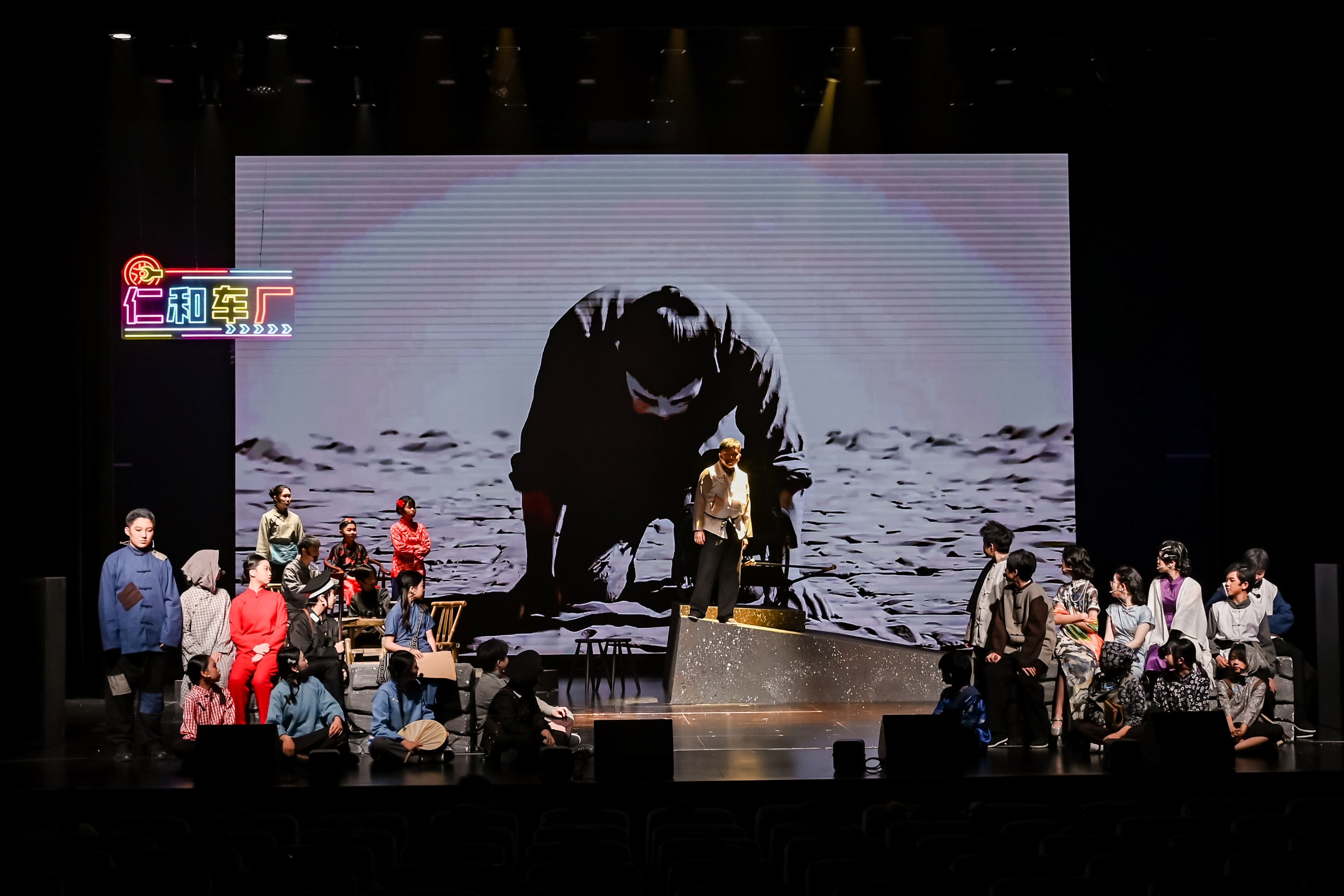
In less than two months, over 30 students and teachers created BBSG's first Chinese drama production - an ambitious stage venture that transformed Chinese language learning into a dynamic cultural project.
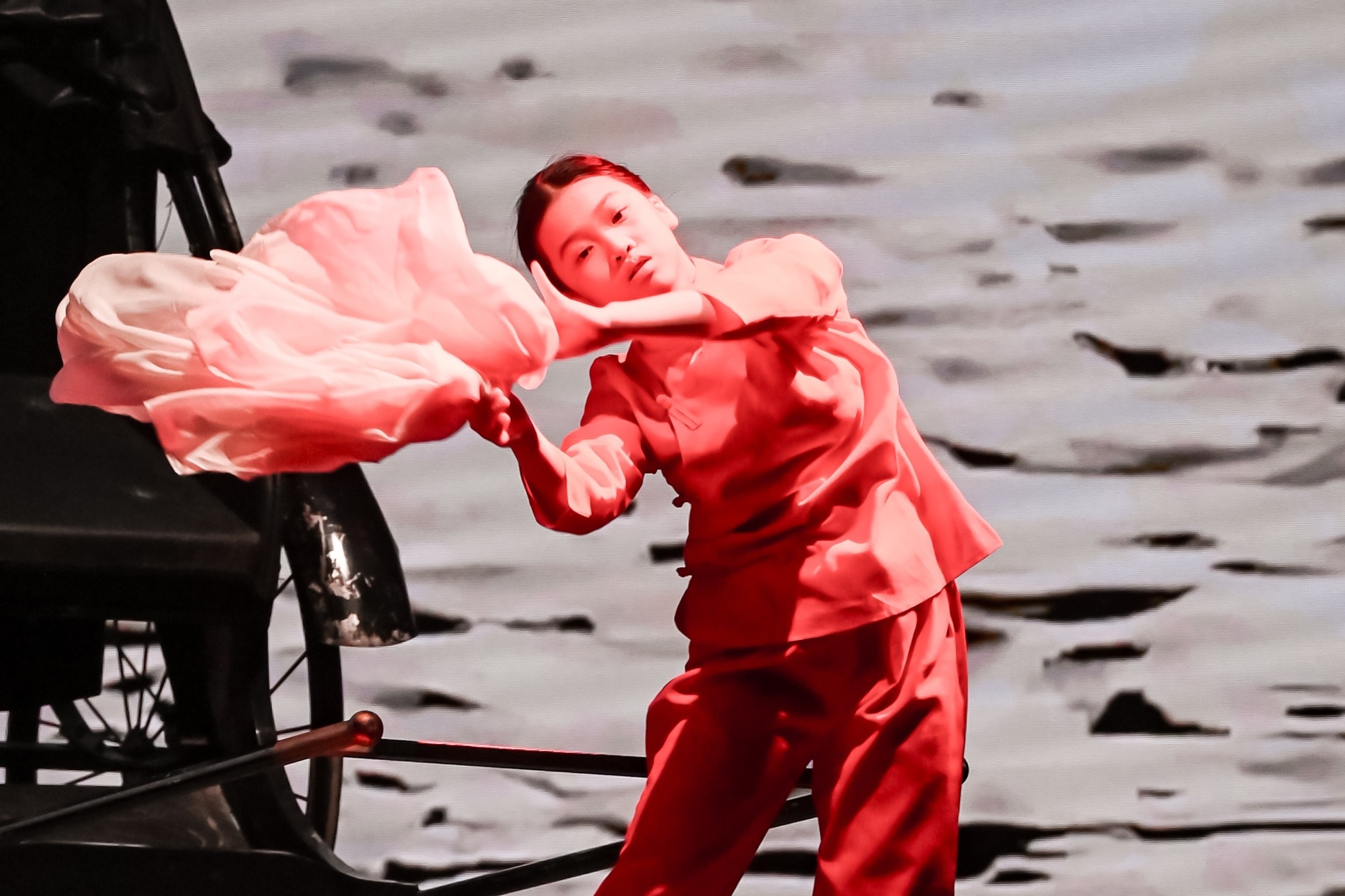
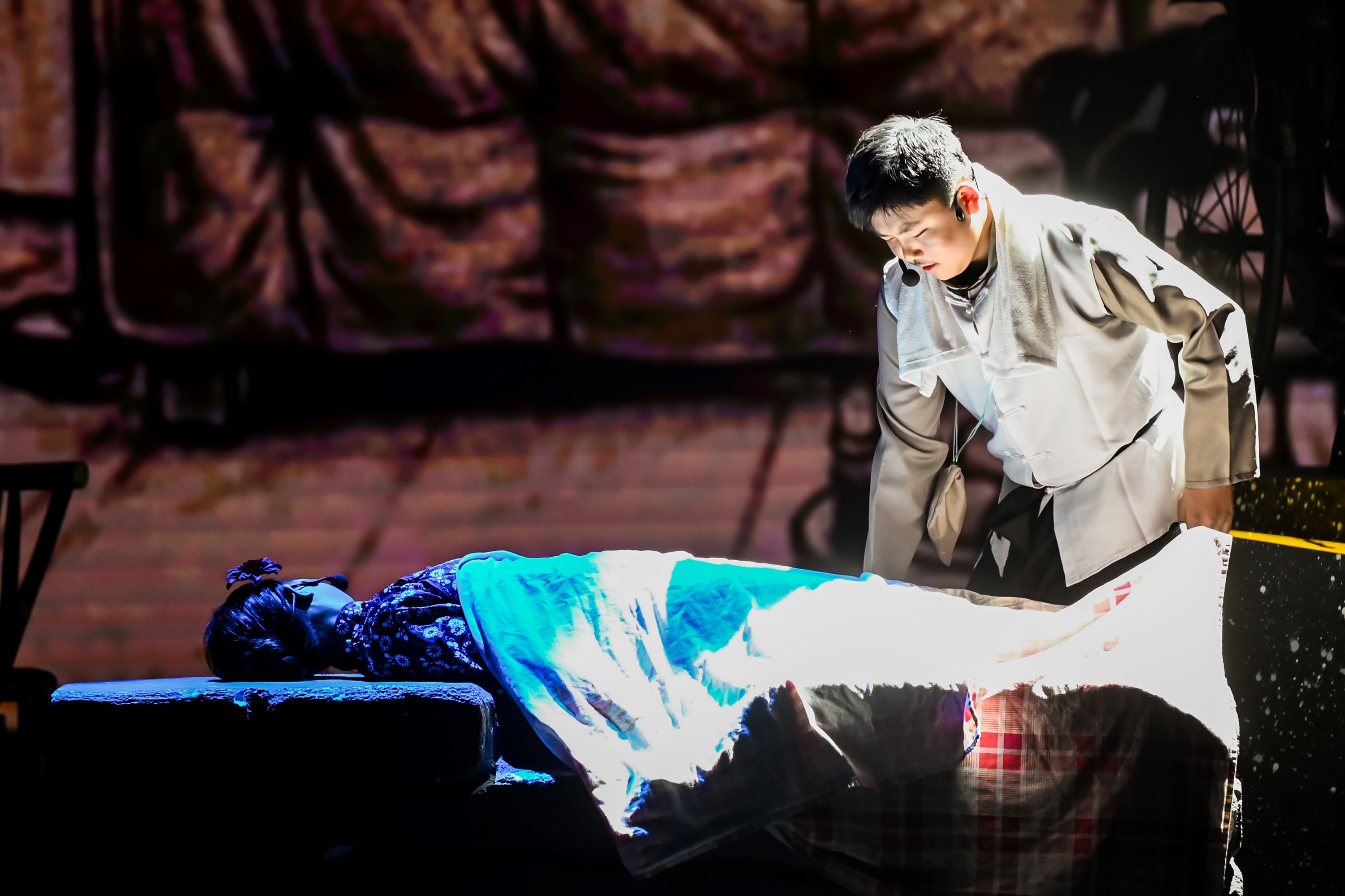
As Xiangzi stumbled across the stage pulling his rickshaw, as soldiers' harsh voices pierced the darkness, as Lao Ma lamented life's uncertainties in the bitter wind... the audience was transported back in time, sharing in the joys and sorrows of that era.
Language Learning:
From Text to Character Recreation
Most of the students had spent a month studying the original novel Camel Xiangzi in their Chinese classes back in Grade 7.
"We simplified some of the complex historical context from the original text, focusing on core themes like dreams, dignity, and survival," explains Ms. Helen Gong, Head of BBSG Junior Secondary and an experienced Chinese teacher. "The key to this adaptation was encouraging students to interpret characters through their own perspective, building emotional connections between the classic and modern teenagers."
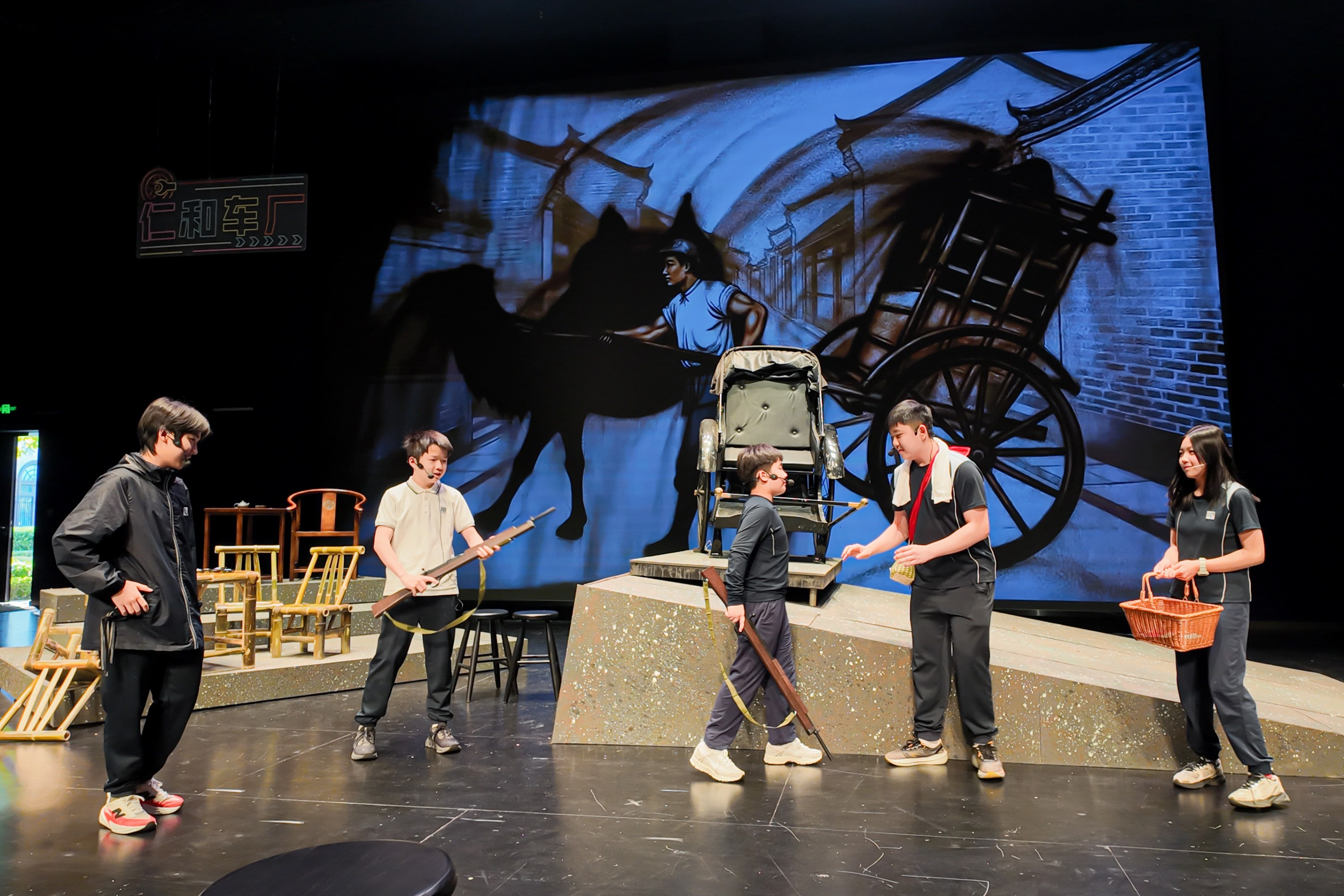
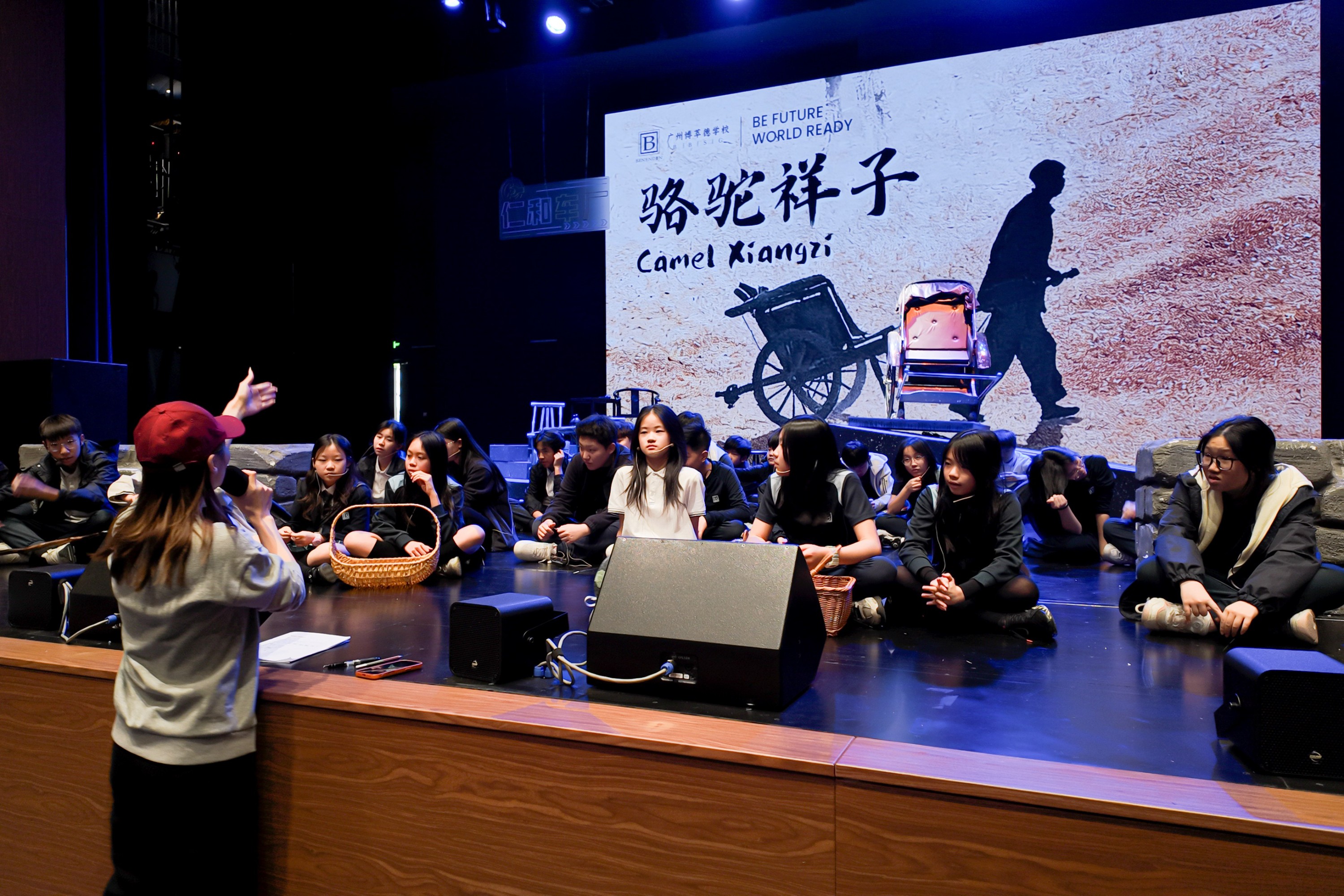
Rehearsals
Understanding the struggles of the working class from a century ago wasn't easy for these post-millennium students.
Early in rehearsals, Ms. Annabell Zhang noticed many students were merely reciting lines without embodying their characters. She assigned a special task to the crew: write character analyses explaining their motivations and likely reactions in different scenarios. This writing exercise helped students understand the logic behind every line and action. They even tried to add dialogue to bridge scenes, bringing the story to life.
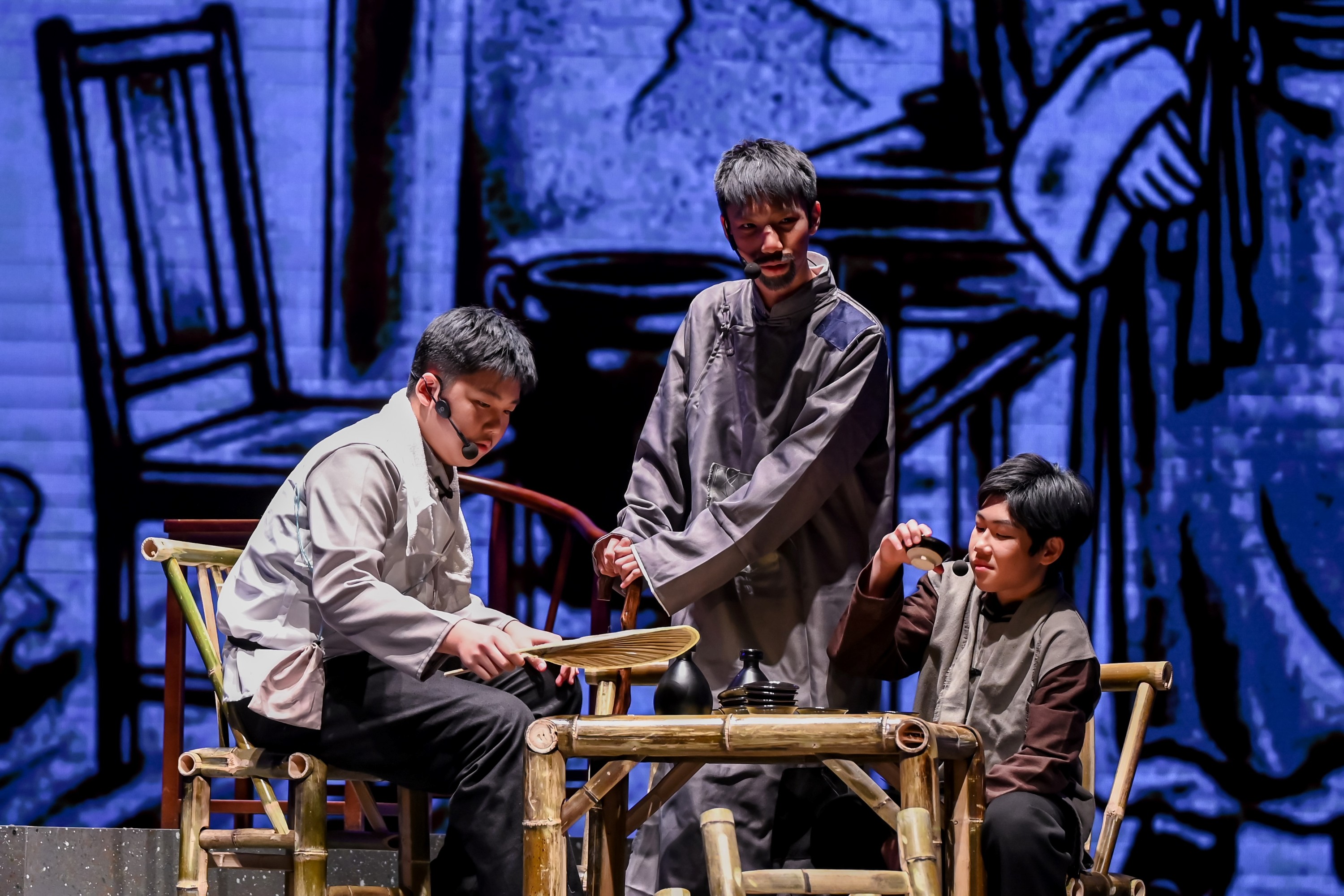
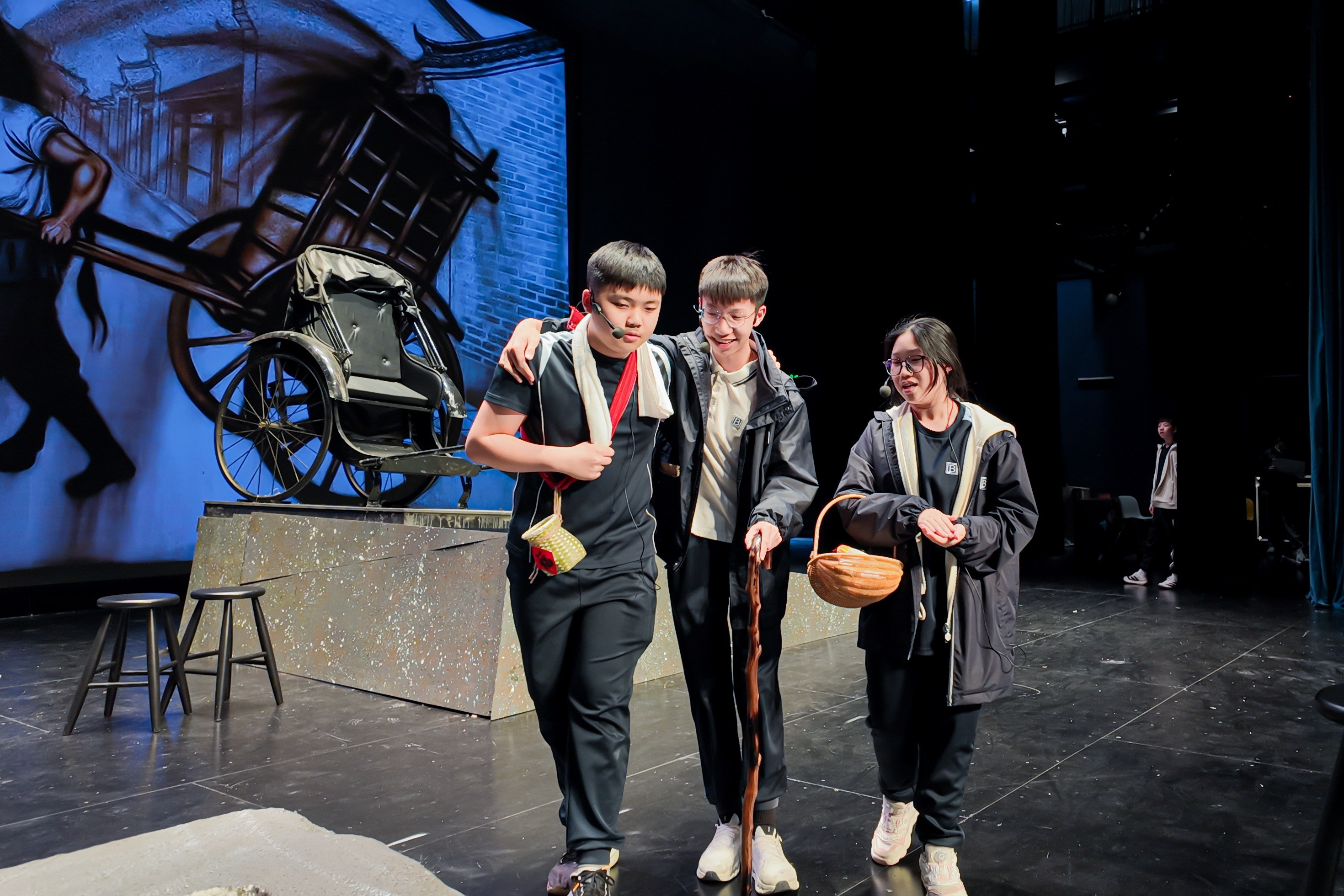
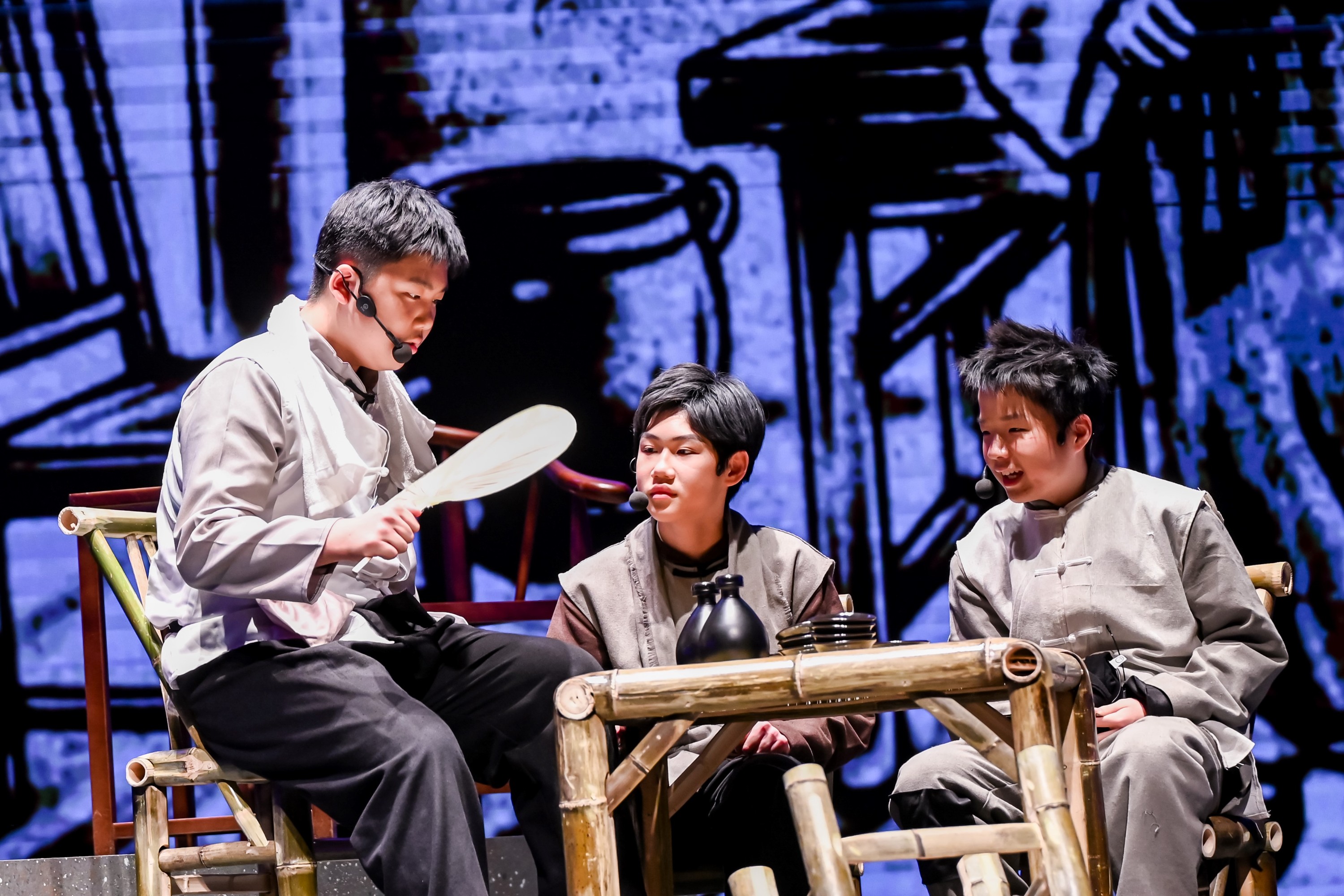
Lao Ma (second from the left) shares his rickshaw journey with Xiangzi (first from the left).
Jacky R (G8), who played Lao Ma, studied his elderly relatives' mannerisms to portray his character: "They speak from their throat very slowly. Their walking always seems unsteady." He even included details like slightly supporting his right foot while using a cane, suggesting that Lao Ma might have an old injury from years of pulling rickshaws.
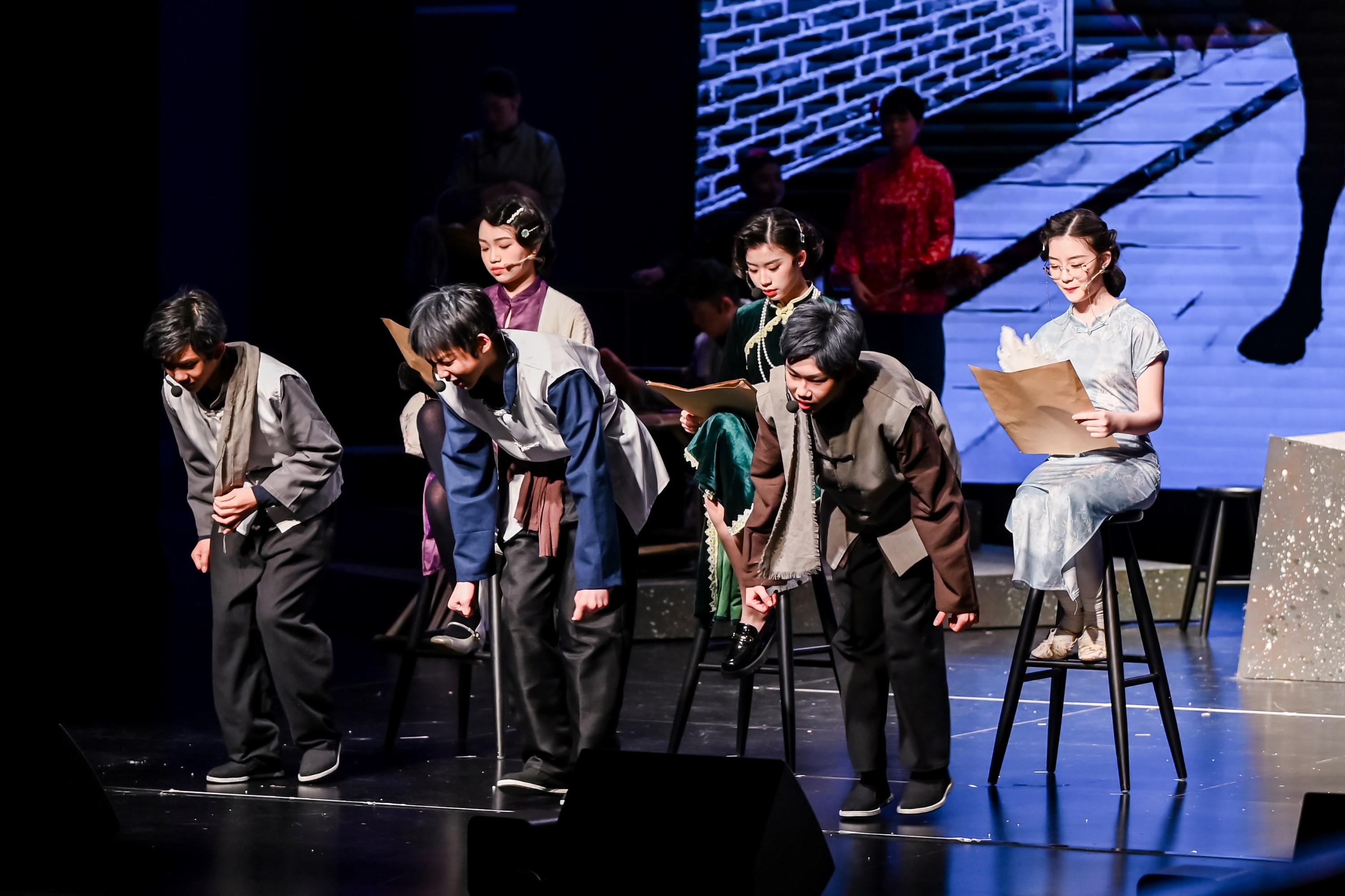
The life of rickshaw pullers
Kevin X (G8) played the main character Xiangzi. He shared his thoughts on the script adaptation: "We added several rickshaw pullers who weren't in the original novel. This was a significant change because it showed that this story isn't just Xiangzi's personal tragedy - it's the tragedy of an era. Everyone was living their own tragic version of this story, not just Xiangzi having bad luck."
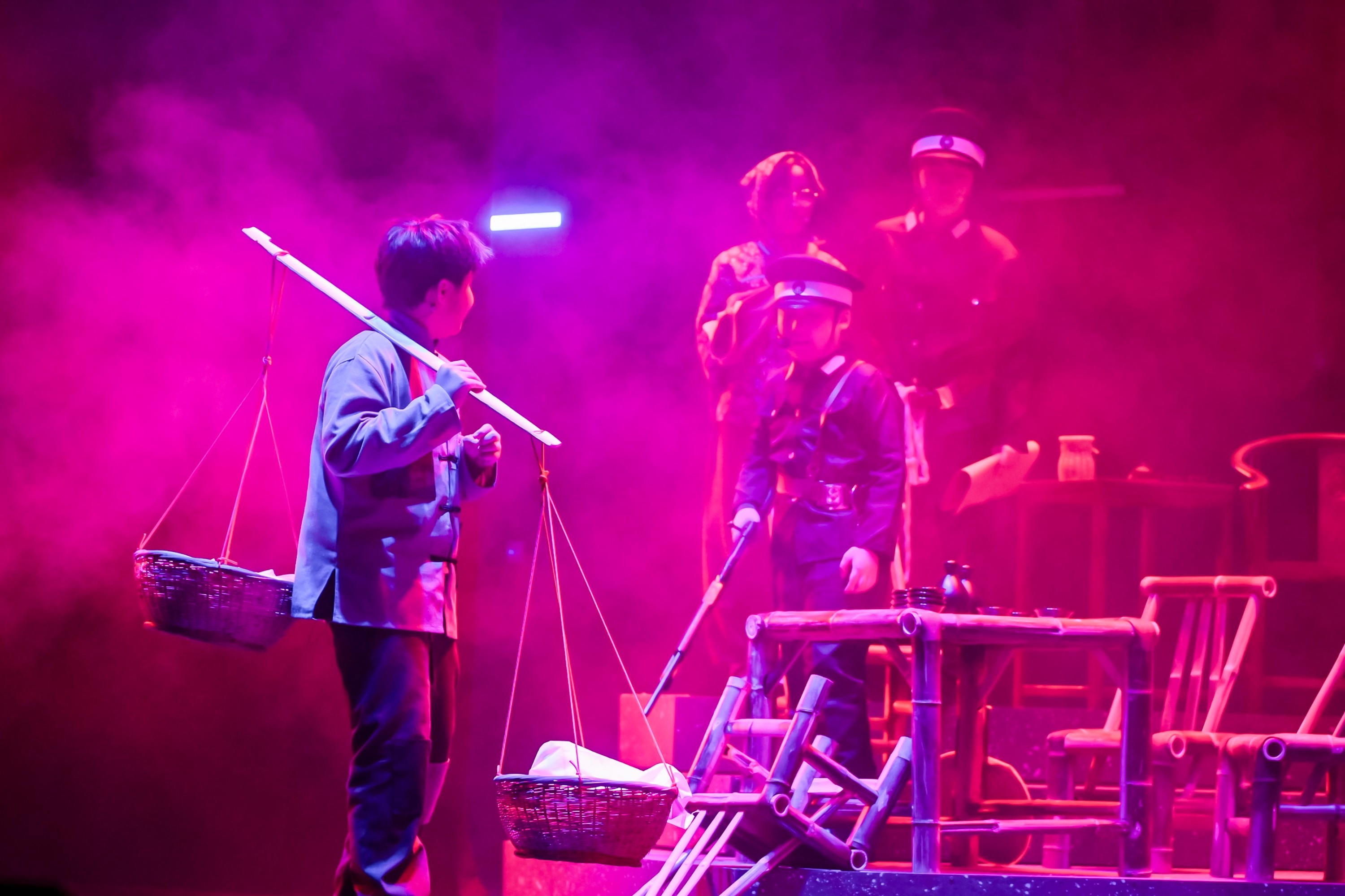
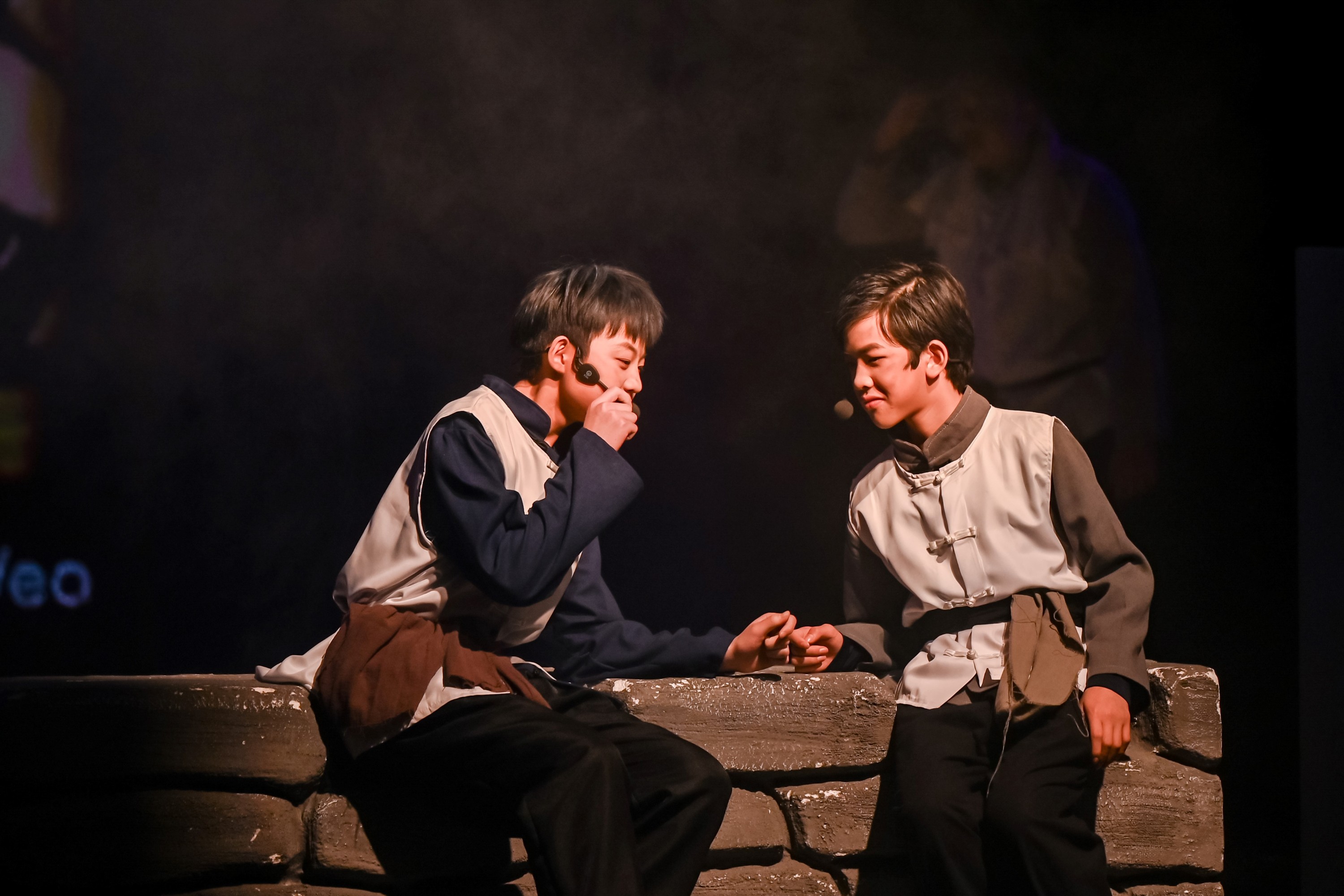
The Growth of a Rookie Theatre Crew
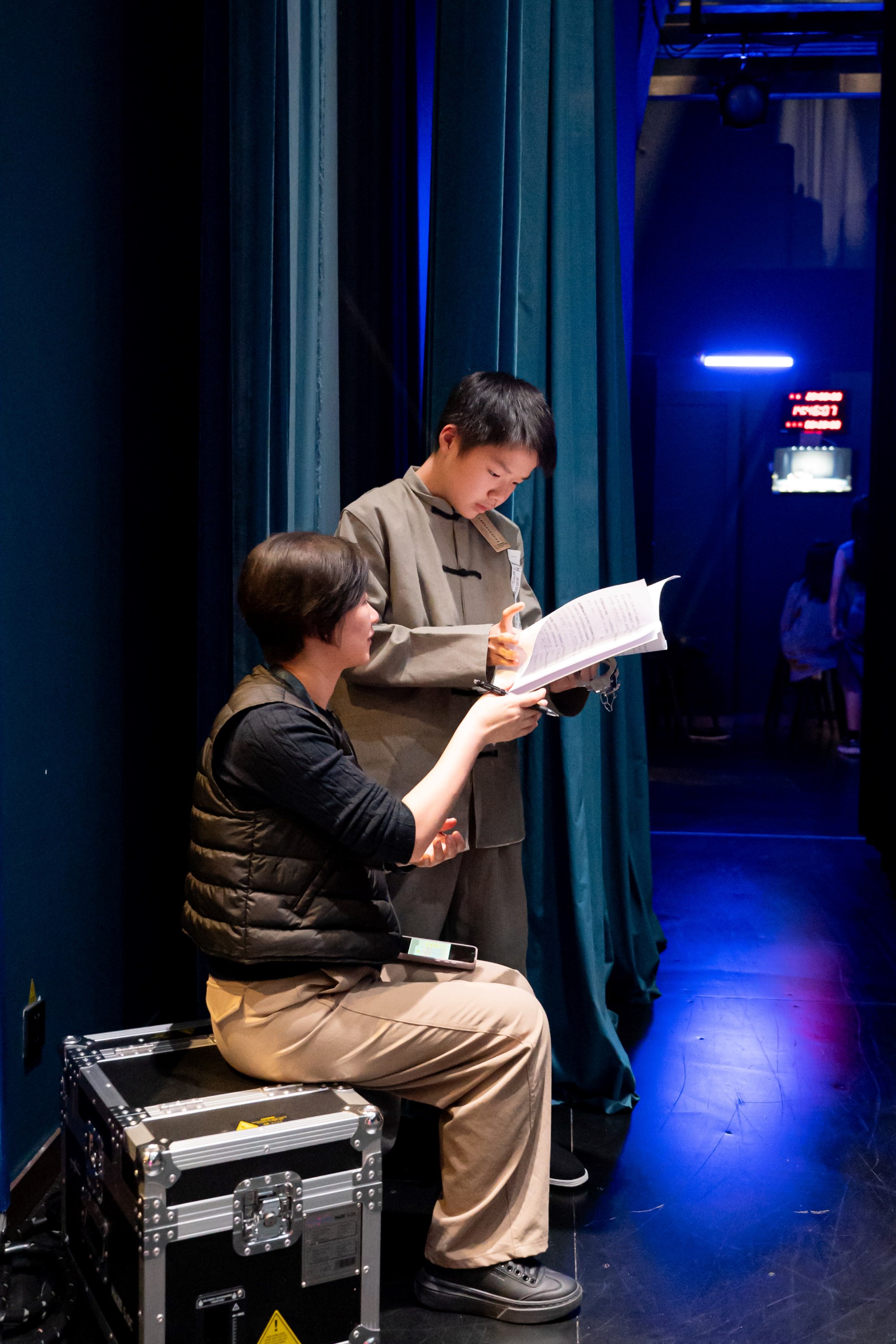
For most students, this was their first time on a theatre stage. The tight schedule added extra pressure to this young creative team.
Owen Y (G7), who played two roles, admits, "I had no drama experience and was really hesitant about this. I even felt reluctant at first and worried about messing up on stage."
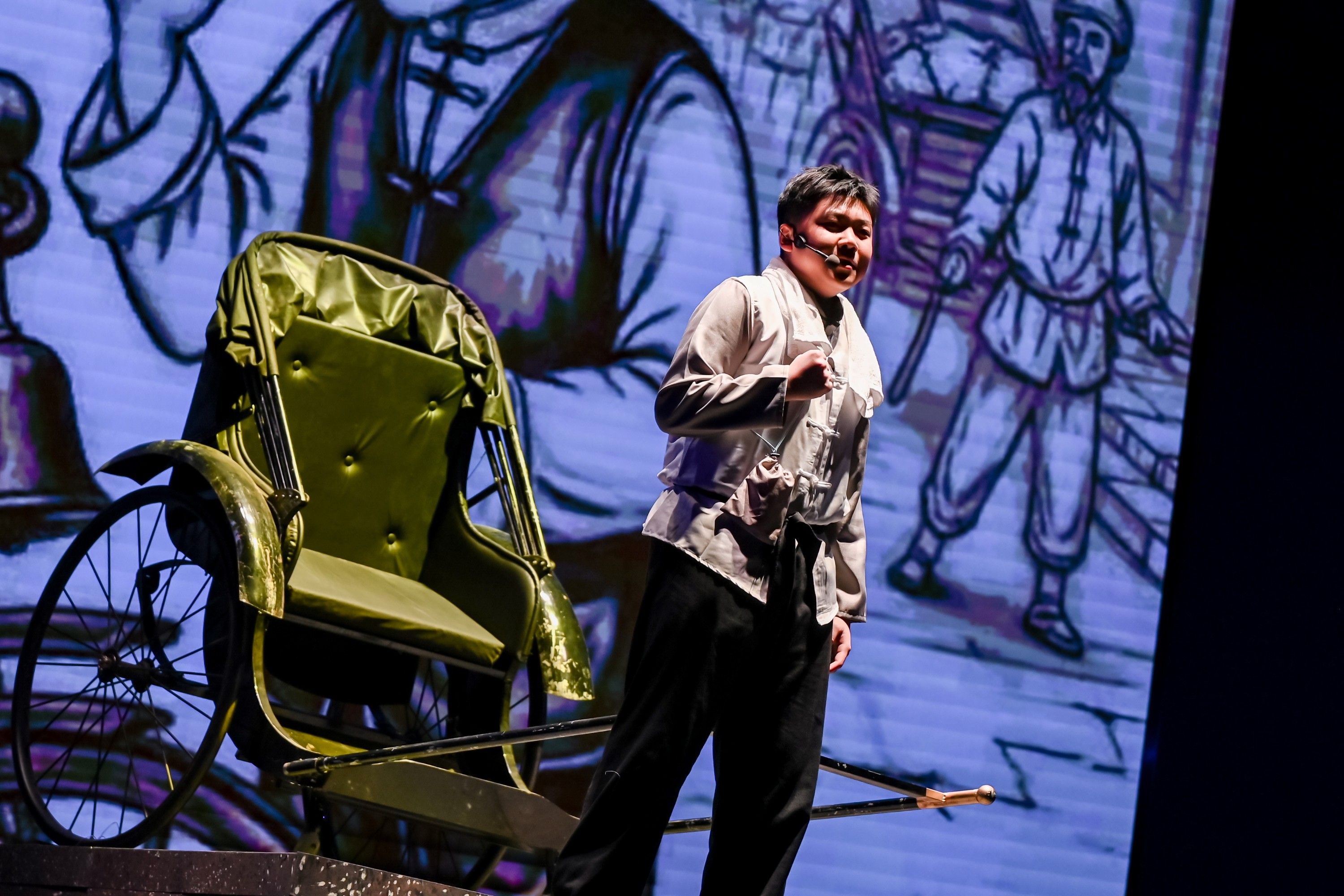
Yet when he took the stage as the rickshaw seller, his performance drew the audience into the bustling market scene. As Detective Sun, he perfectly captured the character's domineering attitude. Meanwhile, he had just two minutes between scenes to complete costume and prop changes, finally mastering the timing just before the show day.
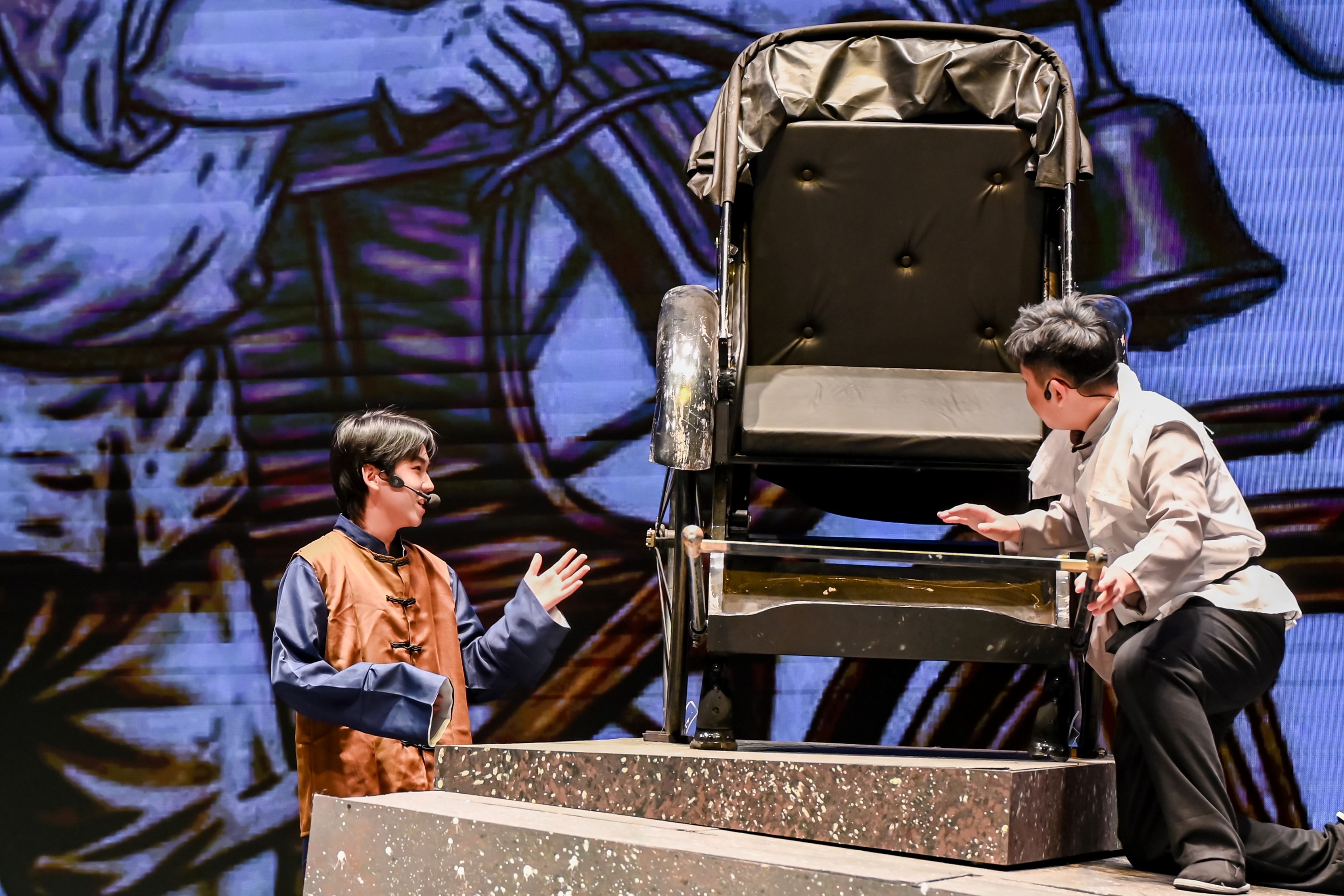
Owen Y (first from the left) plays the rickshaw seller
Despite overcoming numerous challenges, an unexpected incident occurred during the first performance - a rickshaw cushion fell during a scene.
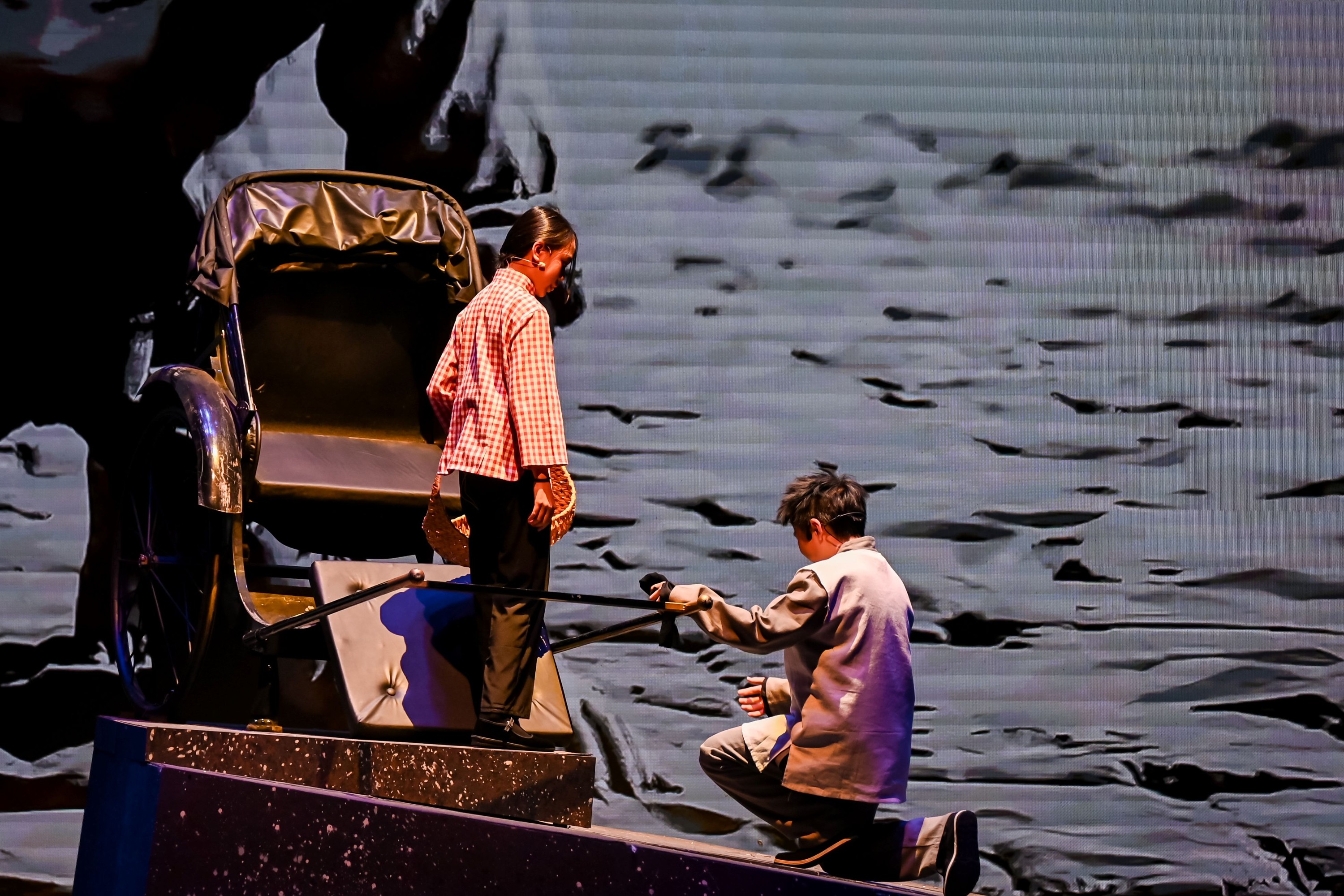
The "passenger" casually complained as he walked off, while the rickshaw puller calmly put the cushion back and cleaned the vehicle for the next passenger — almost as if the mishap was part of the script. Thanks to the rehearsals and the actors' deep immersion in their characters, they handled unexpected moments with ease and confidence.
Bilingual Education with Strong Cultural Roots
BBSG's bilingual-bicultural approach emphasises the Chinese language as a foundation of cultural identity.
This Chinese drama highlights themes of identity, academic thought, and cultural recognition. When students interpret classics in their mother tongue, they are engaging in a meaningful cultural dialogue. A strong sense of belonging to one's cultural roots will give them the confidence to truly embrace multiculturalism in the future.
May we all carry that respect for tradition and dedication to culture as we develop into well-rounded, global citizens in a bilingual and bicultural environment. No matter where the future takes us, let’s always remember where we come from.
—— Ms. Helen Gong
Deputy Head of Pastoral and Student Development and Head of Junior Secondary
This drama demonstrates how modern youth can connect with historical figures across time.
I saw students not only showing a deep understanding of the work but also gaining insights into their characters, emotions, and themselves. They've also built confidence and empathy — not only understanding history but also learning to cherish the life they have today.
—— Ms. Julia Li
BBSG Executive Principal